

Can a mortise lock body be used with a panic bar? This is a question that often arises in the security and access control industry. As a professional mortise lock body supplier, I am here to provide you with a comprehensive analysis of this topic.
Understanding Mortise Lock Bodies and Panic Bars
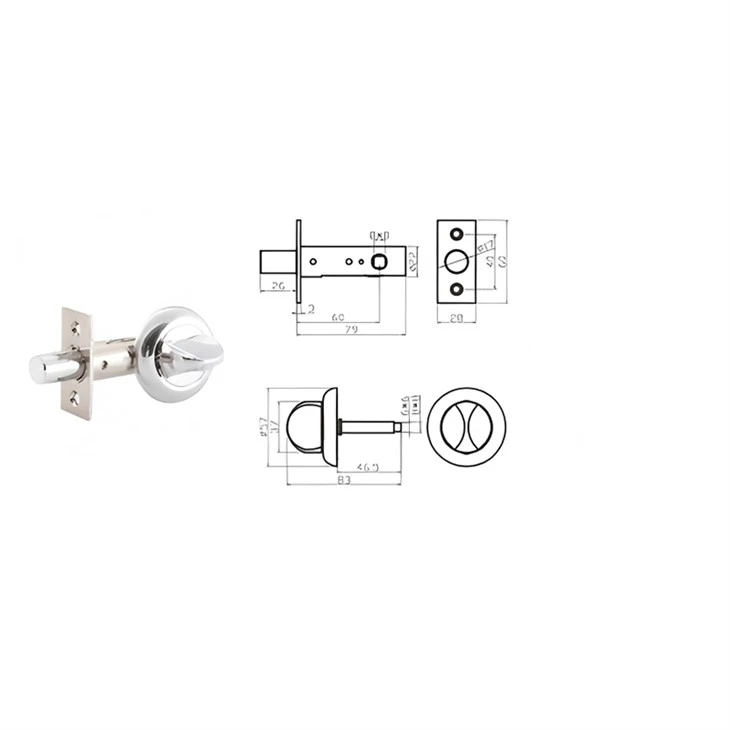
First, let's understand what a mortise lock body and a panic bar are. A mortise lock body is a type of lock that is installed within a pocket or "mortise" cut into the edge of a door. Mortise locks are known for their strength, durability, and security. They come in various types, such as Mechanical Lock Body, Mechanical Mortise Lock, Storm Door Mortise Lock Body, and Mortise Body Lock. These locks are commonly used in commercial and high - security applications.
On the other hand, a panic bar, also known as an emergency exit device, is designed to allow people to quickly and easily exit a building in case of an emergency. When pressure is applied to the bar, the door unlocks and can be opened immediately. Panic bars are typically installed on exit doors in public buildings, offices, and other areas where there is a need for rapid evacuation.
Compatibility Factors
1. Mechanical Compatibility
One of the primary considerations when determining if a mortise lock body can be used with a panic bar is mechanical compatibility. The panic bar needs to be able to interact with the locking mechanism of the mortise lock. Most modern panic bars are designed to work with a variety of lock types, including mortise locks. However, it is crucial to ensure that the panic bar and the mortise lock have the correct mounting dimensions and that the actuation mechanism of the panic bar can properly engage and disengage the locking bolts of the mortise lock.
For example, if the mortise lock has a unique bolt configuration or if the panic bar has an unconventional actuation method, there may be issues with mechanical compatibility. In such cases, it may be necessary to choose a compatible panic bar - lock combination or to make modifications to ensure that they work together smoothly.
2. Security Requirements
Another important factor is security requirements. Mortise locks are chosen for their high - level security features, such as solid construction and multiple locking points. When using a panic bar with a mortise lock, it is essential to maintain the security integrity of the door. This means that the panic bar should not compromise the locking strength of the mortise lock.
Some panic bars have built - in security features, such as anti - tampering mechanisms and deadbolts. When selecting a panic bar to be used with a mortise lock, look for a panic bar that can enhance the overall security of the door rather than reducing it. For instance, a panic bar with a deadbolt that can be engaged independently of the mortise lock can provide an additional layer of security.

3. Building Codes and Regulations
Building codes and regulations play a significant role in determining the compatibility of a mortise lock body and a panic bar. In many areas, there are specific requirements for emergency exit devices, including panic bars, and the locks used on exit doors. These codes are in place to ensure the safety of building occupants.
For example, some codes require that exit doors can be opened from the inside without the use of a key, even when the door is locked. This means that the panic bar and the mortise lock must be configured in such a way that they comply with these requirements. Failing to meet these codes can result in fines and potential safety hazards.
Benefits of Using a Mortise Lock Body with a Panic Bar
1. Enhanced Security
Combining a mortise lock body with a panic bar can provide enhanced security. The mortise lock offers a high - level of protection against forced entry, while the panic bar ensures that the door can be quickly opened in an emergency. This combination is ideal for commercial buildings where security and safety are both top priorities.
For example, in a storefront, the mortise lock can keep the premises secure during non - business hours, while the panic bar allows employees and customers to exit quickly in case of a fire or other emergency.
2. Durability
Mortise locks are known for their durability, and when paired with a well - made panic bar, the overall system can withstand heavy use. This is especially important in high - traffic areas, such as schools, hospitals, and office buildings. The robust construction of the mortise lock and the panic bar can ensure that the door remains functional for an extended period.
3. Aesthetics
In addition to security and durability, a mortise lock body and a panic bar can also enhance the aesthetics of a door. Both components come in a variety of styles and finishes, allowing them to blend in with the overall design of the building. This means that you can achieve a secure and functional exit door without sacrificing the visual appeal of the building.
Considerations When Installing
1. Professional Installation
Installing a mortise lock body with a panic bar is a complex process that requires professional expertise. It is important to hire a qualified locksmith or security contractor to ensure that the installation is done correctly. A professional installer will have the knowledge and tools necessary to ensure that the panic bar and the mortise lock work together seamlessly and comply with all relevant building codes.
2. Maintenance
Regular maintenance is essential to keep the mortise lock body and the panic bar in good working condition. This includes lubricating the locking mechanism, checking for any signs of wear or damage, and ensuring that the panic bar is functioning properly. Failure to perform regular maintenance can lead to malfunctions and reduced security.
Conclusion and Call to Action
In conclusion, a mortise lock body can be used with a panic bar, but it is crucial to consider mechanical compatibility, security requirements, and building codes. When done correctly, this combination can provide enhanced security, durability, and aesthetics.
If you are interested in learning more about our mortise lock bodies and how they can be used with panic bars, or if you are ready to make a purchase, please feel free to reach out to us. We are happy to discuss your specific needs and provide you with the best solutions for your security requirements.
References
- "Security Door Locking Systems: A Comprehensive Guide", published by a leading security industry research firm.
- Building Code Requirements for Emergency Exit Devices, local building code authorities.
- "The Anatomy of Mortise Locks", a technical publication by a lock manufacturer.