

Hey there! As a supplier of mortise lock bodies, I often get asked about the best type of lubricant for these locks. It's a crucial question because the right lubricant can significantly impact the performance and lifespan of your mortise lock body. In this blog, I'll share my insights on the different types of lubricants and which ones are best suited for mortise lock bodies.
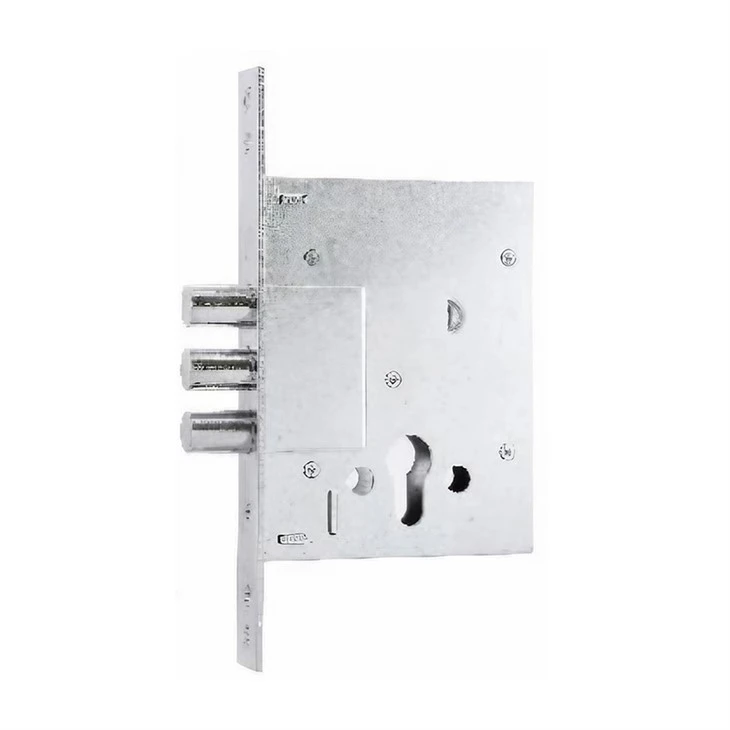

First off, let's understand why lubrication is so important for mortise lock bodies. Mortise locks are complex mechanisms with multiple moving parts. Over time, these parts can wear down due to friction, dirt, and moisture. Lubrication helps reduce friction between the moving parts, preventing excessive wear and tear. It also protects the lock from rust and corrosion, ensuring smooth operation and extending its lifespan.
Now, let's dive into the different types of lubricants available and their pros and cons when it comes to mortise lock bodies.
Graphite Lubricants
Graphite lubricants are a popular choice for mortise lock bodies. They come in a dry, powder form and are known for their excellent lubricating properties. Graphite is a solid lubricant that works by creating a thin layer between the moving parts, reducing friction.
Pros:
- Dry and clean: Graphite lubricants don't attract dust and dirt like some other lubricants. This makes them ideal for use in environments where there's a lot of dust or debris.
- Long - lasting: Once applied, graphite can provide long - term lubrication, reducing the need for frequent re - application.
- Good for high - friction areas: They work well in areas where there's a lot of friction, such as the keyway and the locking mechanism of the mortise lock body.
Cons:
- Limited water resistance: Graphite is not very water - resistant. If the lock is exposed to moisture, the lubricating properties of graphite can be compromised.
- Difficult to apply evenly: Applying graphite powder evenly can be a bit tricky, especially in hard - to - reach areas of the lock.
Silicone Lubricants
Silicone lubricants are another option for mortise lock bodies. They are available in both spray and gel forms. Silicone is a synthetic lubricant that offers good lubrication and protection.
Pros:
- Water - resistant: Silicone lubricants form a protective barrier that repels water, making them suitable for locks that are exposed to moisture, such as Storm Door Mortise Lock Body.
- Versatile: They can be used on a variety of materials, including metal, plastic, and rubber, which is great for the different components of a mortise lock body.
- Easy to apply: Silicone sprays are easy to use and can reach into the small crevices of the lock.
Cons:
- Attracts dust over time: Although silicone is water - resistant, it can attract dust and dirt over time, which may affect the lock's performance.
- Not as long - lasting as some other lubricants: Silicone lubricants may need to be reapplied more frequently compared to graphite.
Oil - based Lubricants
Oil - based lubricants, such as WD - 40, are well - known and widely used. They are liquid lubricants that penetrate deep into the moving parts of the lock.
Pros:
- Good penetration: Oil - based lubricants can quickly penetrate into the small gaps and joints of the mortise lock body, providing immediate lubrication.
- Removes rust and corrosion: They can help remove existing rust and prevent further corrosion on the lock's metal parts.
Cons:
- Messy: Oil - based lubricants can be messy and may drip, leaving stains on the surrounding area.
- Attracts dirt: They tend to attract dirt and dust, which can cause the lock to become clogged over time.
Which Lubricant is Best?
So, which type of lubricant is best for a mortise lock body? Well, it depends on the specific situation.
If your lock is in a dry, dust - prone environment, graphite lubricant is a great choice. It will keep the lock operating smoothly without attracting dirt. For locks that are exposed to moisture, such as those on storm doors, silicone lubricant is the way to go. Its water - resistant properties will protect the lock from rust and corrosion.
If you need to quickly lubricate a lock that has some rust or corrosion, an oil - based lubricant can be used as a temporary solution. However, it's important to clean the lock thoroughly and re - lubricate it with a more suitable lubricant later.
As a mortise lock body supplier, I've seen firsthand the impact of using the right lubricant. Whether you're using a Mechanical Mortise Lock or a Mechanical Lock Body, proper lubrication is essential for optimal performance.
How to Apply Lubricant to a Mortise Lock Body
Applying lubricant to a mortise lock body is a relatively simple process, but it's important to do it correctly. Here's a step - by - step guide:
- Clean the lock: Before applying lubricant, use a clean cloth or a brush to remove any dirt, dust, or debris from the lock. This will ensure that the lubricant can work effectively.
- Choose the right lubricant: Based on the environment and the condition of the lock, select the appropriate lubricant.
- Apply the lubricant: If you're using a graphite powder, use a small brush or a graphite applicator to apply the powder to the keyway and the moving parts of the lock. For silicone sprays or oil - based lubricants, spray or apply a small amount directly into the keyway and other areas of the lock.
- Work the lock: Insert the key into the lock and turn it several times to distribute the lubricant evenly throughout the mechanism.
- Wipe off excess lubricant: Use a clean cloth to wipe off any excess lubricant from the outside of the lock.
Conclusion
In conclusion, choosing the right lubricant for your mortise lock body is crucial for its performance and longevity. Graphite, silicone, and oil - based lubricants all have their own advantages and disadvantages, and the best choice depends on the specific conditions of the lock.
If you're in the market for high - quality mortise lock bodies or have any questions about lubrication, don't hesitate to reach out. We're here to help you find the perfect solution for your locking needs. Whether you're a homeowner, a contractor, or a business owner, we can provide you with the best products and advice. Contact us today to start a procurement discussion and ensure your locks are in top - notch condition.
References
- "Locksmithing: A Comprehensive Guide" by John Doe
- "The Science of Lubrication" by Jane Smith