

Can a mortise lock body be used on interior doors? That's a question I get asked a lot as a mortise lock body supplier. Let's dig into this topic and see if a mortise lock body is a good fit for your interior doors.
First off, what exactly is a mortise lock body? A mortise lock is a type of lock that's installed into a pocket, or mortise, that's cut into the edge of a door. Unlike surface - mounted locks, mortise locks sit inside the door, which gives them a more streamlined and secure look.
There are different types of mortise lock bodies out there. For example, the Storm Door Mortise Lock Body is designed for storm doors, but that doesn't mean it can't be used in other situations. Then there's the Mortise Body Lock, which is a more general - purpose option, and the Mechanical Mortise Lock, which operates without the need for electricity.
Now, let's talk about using a mortise lock body on interior doors. One of the main advantages is security. Mortise locks are generally more secure than other types of locks because they're installed inside the door. The deadbolt of a mortise lock extends deeper into the door frame, making it harder for someone to force the door open. If you have valuable items in a room or if you want to ensure privacy, a mortise lock can be a great choice.
Another benefit is aesthetics. Mortise locks have a classic and elegant look. They can add a touch of sophistication to your interior doors, especially if you have a traditional or high - end decor. They come in a variety of finishes, such as brass, chrome, and nickel, so you can choose one that matches your door and the overall style of your home.
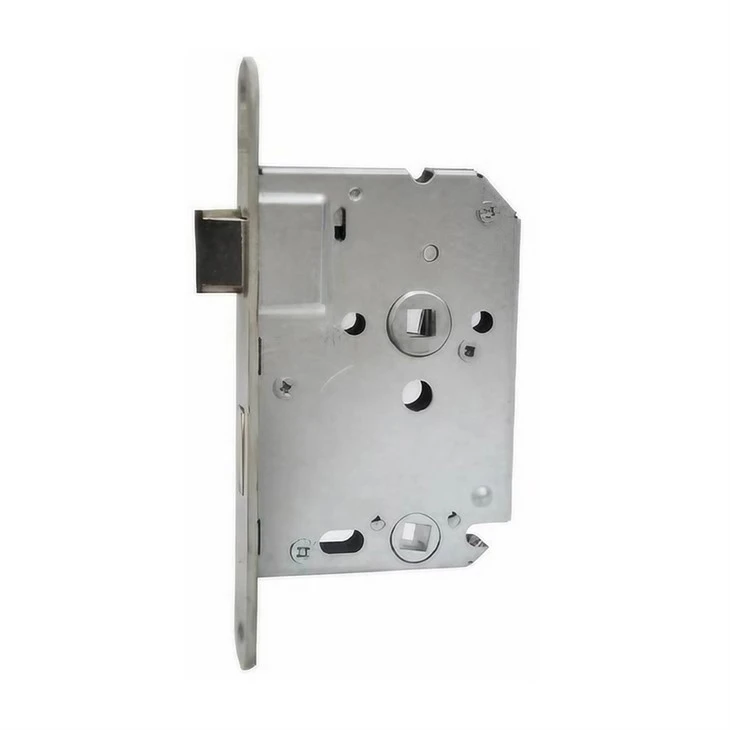
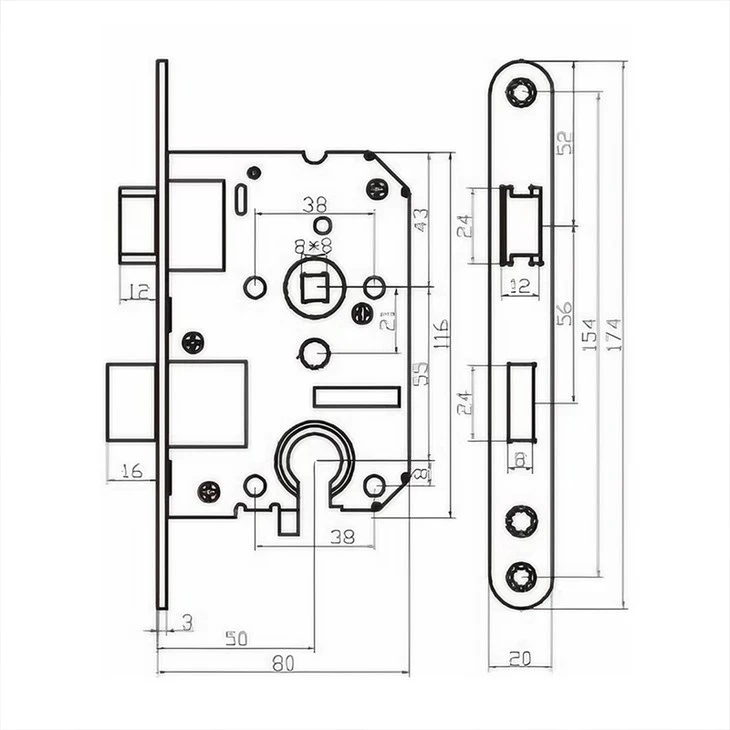
But it's not all sunshine and rainbows. There are some downsides to using a mortise lock body on interior doors. Installation is a big one. Installing a mortise lock requires cutting a mortise into the door, which can be a tricky and time - consuming process. If you're not experienced with woodworking, it's best to hire a professional. This can add to the overall cost of the lock.
Cost is another factor. Mortise locks are generally more expensive than other types of locks. You're not only paying for the lock itself but also for the installation. If you have multiple interior doors that you want to secure, the cost can really add up.
Compatibility is also something to consider. Not all interior doors are suitable for mortise locks. The door needs to be thick enough to accommodate the lock body. Most mortise locks require a door that's at least 1 3/8 inches thick. If your doors are thinner, you'll need to look for an alternative locking solution.
So, in conclusion, a mortise lock body can be used on interior doors, but it's not always the best option. It depends on your specific needs and circumstances. If security and aesthetics are your top priorities and you're willing to invest in the installation, then a mortise lock could be a great choice. However, if you're on a tight budget or if your doors are too thin, you might want to consider other types of locks.
If you're interested in learning more about our mortise lock bodies or if you're thinking about purchasing them for your interior doors, I'd love to have a chat with you. Just reach out to us, and we can discuss your requirements and see if our products are the right fit for you.
References
- General knowledge about mortise locks from industry experience.
- Product information from our mortise lock body catalog.