

When it comes to internal fire door closers, choosing the right type of paint is crucial. As a supplier of internal fire door closers, I've seen firsthand how the wrong paint can not only affect the appearance but also the functionality and durability of these important safety devices. In this blog, I'll share some insights on what type of paint is suitable for internal fire door closers.
Why Paint Matters for Internal Fire Door Closers
First off, let's talk about why paint is important for internal fire door closers. These door closers are often located in high - traffic areas within buildings, and they need to withstand daily wear and tear. A good paint job can provide a protective layer that prevents rust, corrosion, and damage from scratches. Moreover, in the case of fire, the paint should not contribute to the spread of flames or release toxic fumes.
Types of Paints Suitable for Internal Fire Door Closers
Enamel Paint
Enamel paint is a popular choice for internal fire door closers. It has a hard, glossy finish that is not only aesthetically pleasing but also highly durable. Enamel paint can resist scratches, stains, and moisture, which are common issues in areas where door closers are installed. It's also relatively easy to clean, making it a practical option for commercial and residential settings.
One of the key advantages of enamel paint is its chemical resistance. It can withstand exposure to various chemicals that might be present in a building environment, such as cleaning agents. This means that the paint won't degrade easily, ensuring that the door closer remains protected over time.
Epoxy Paint
Epoxy paint is another excellent option. It forms a strong, tough coating that adheres well to metal surfaces, which is exactly what internal fire door closers are made of. Epoxy paint offers high resistance to abrasion, impact, and chemicals. It can also provide good protection against corrosion, which is a major concern for door closers, especially in areas with high humidity.
Epoxy paint comes in different formulations, including water - based and solvent - based. Water - based epoxy paint is more environmentally friendly and has lower levels of volatile organic compounds (VOCs), making it a better choice for indoor applications. Solvent - based epoxy paint, on the other hand, may offer better durability and chemical resistance but has higher VOC levels.
Powder Coating
Powder coating is a process where a dry powder is applied to the surface of the door closer and then heated to form a hard, smooth finish. This type of coating is extremely durable and resistant to chipping, scratching, and fading. Powder coating also provides excellent protection against corrosion and can last for a long time without losing its appearance.
One of the benefits of powder coating is that it offers a wide range of colors and finishes. You can choose from matte, gloss, or textured finishes to match the style of your building. Additionally, powder coating is an environmentally friendly option as it produces less waste and has lower VOC emissions compared to traditional liquid paints.
Factors to Consider When Choosing Paint
Compatibility
It's important to ensure that the paint you choose is compatible with the material of the internal fire door closer. Most door closers are made of metal, such as steel or aluminum. You need to select a paint that adheres well to these metals and won't cause any chemical reactions that could damage the door closer.
Fire Resistance
Since these are internal fire door closers, the paint should have some level of fire resistance. Look for paints that are labeled as fire - retardant or have been tested to meet relevant fire safety standards. This will ensure that in the event of a fire, the paint won't contribute to the spread of the flames.
Aesthetic Appeal
The appearance of the door closer also matters. You want the paint to match the overall design of the building. Consider the color and finish of the paint to ensure that it blends in well with the surrounding environment.
Maintenance
Think about how easy it will be to maintain the painted door closer. Some paints may require special cleaning products or procedures, while others are more forgiving. Choose a paint that is easy to clean and maintain to keep the door closer looking good over time.
Our Product Range and Paint Considerations
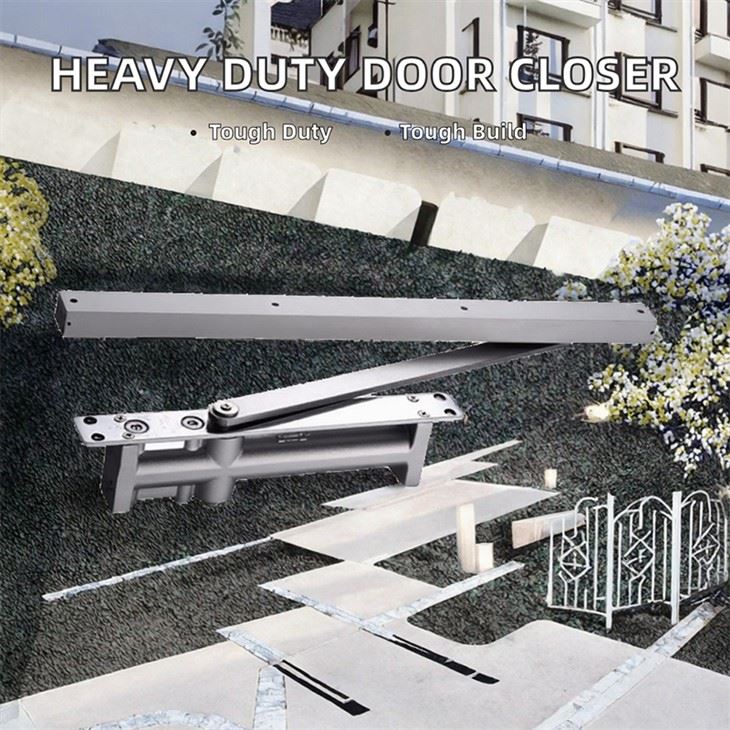
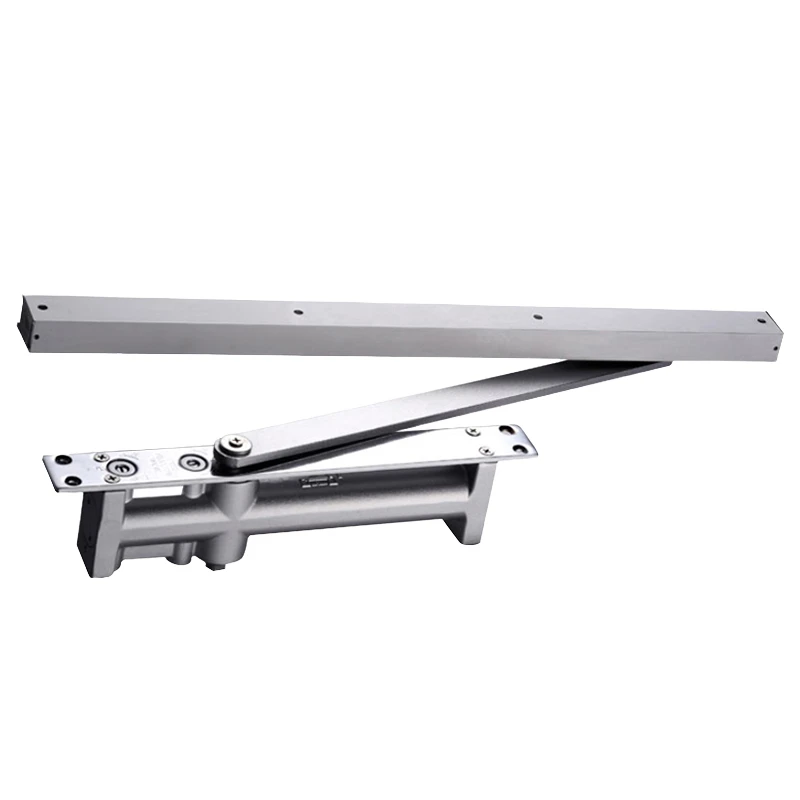
As a supplier of internal fire door closers, we offer a variety of products, including Anti Slam Door Closer, Extra Heavy Duty Door Closer, and Electric Door Closers Commercial.
For our anti - slam door closers, which are often used in areas where noise reduction is important, we recommend using enamel paint. Its smooth finish not only looks good but also helps in reducing any potential squeaks or noises that could be caused by a rough surface.
Our extra heavy - duty door closers are designed to handle high - traffic areas. Epoxy paint is a great choice for these as it can withstand the heavy use and provide long - lasting protection.
The electric door closers for commercial use are often installed in public buildings. Powder coating is ideal for these as it offers a durable and attractive finish that can withstand the constant use and exposure to different environmental conditions.
How to Apply Paint to Internal Fire Door Closers
If you decide to paint your internal fire door closers, here are some general steps to follow:
- Clean the Surface: Make sure the door closer is clean and free of dirt, grease, and rust. You can use a mild detergent and water to clean it, and then dry it thoroughly.
- Sand the Surface: Lightly sand the surface of the door closer to create a rough texture that will help the paint adhere better.
- Apply Primer: Use a primer that is suitable for the type of paint you are using. The primer will help the paint stick to the surface and provide an additional layer of protection.
- Apply Paint: Follow the instructions on the paint can for the best application method. You can use a brush, roller, or spray gun. Apply multiple thin coats for a better finish.
- Let it Dry: Allow the paint to dry completely between coats and after the final coat. This may take several hours or even days depending on the type of paint and the environmental conditions.
Conclusion
Choosing the right paint for internal fire door closers is an important decision that can affect the performance, durability, and appearance of these safety devices. Enamel paint, epoxy paint, and powder coating are all suitable options, each with its own advantages. When making your choice, consider factors such as compatibility, fire resistance, aesthetic appeal, and maintenance.
If you're in the market for internal fire door closers or have questions about the right paint for them, don't hesitate to contact us. We're here to help you make the best decision for your building's safety and design needs.
References
- Paint manufacturers' product specifications and technical data sheets.
- Fire safety standards and regulations related to door closers and paints.