

When it comes to choosing a mortise lock for your door, you're likely to be faced with a common dilemma: should you go for a Silent Magnetic Mortise Lock or a regular mortise lock? As a supplier of Silent Magnetic Mortise Locks, I've had my fair share of customers asking this very question. So, let's break down the pros and cons of each to help you make an informed decision.
How Regular Mortise Locks Work
Regular mortise locks have been around for ages. They're the kind of locks you've probably seen on older doors, and they've got a pretty straightforward design. The lock body is installed inside a pocket (or "mortise") that's cut into the edge of the door. When you turn the key, a bolt slides in and out of the lock, engaging with a strike plate on the door frame to keep the door locked.
One of the biggest advantages of regular mortise locks is their reliability. They've been tested and proven over time, and many people trust them because they're simple and don't rely on any fancy electronics. They're also usually quite sturdy and can withstand a fair amount of force, which makes them a good choice for security.
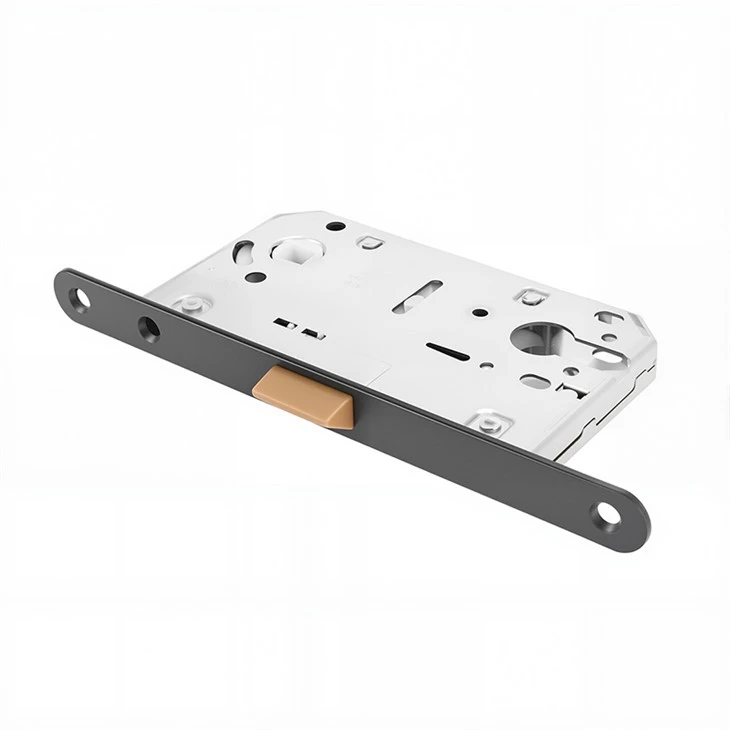
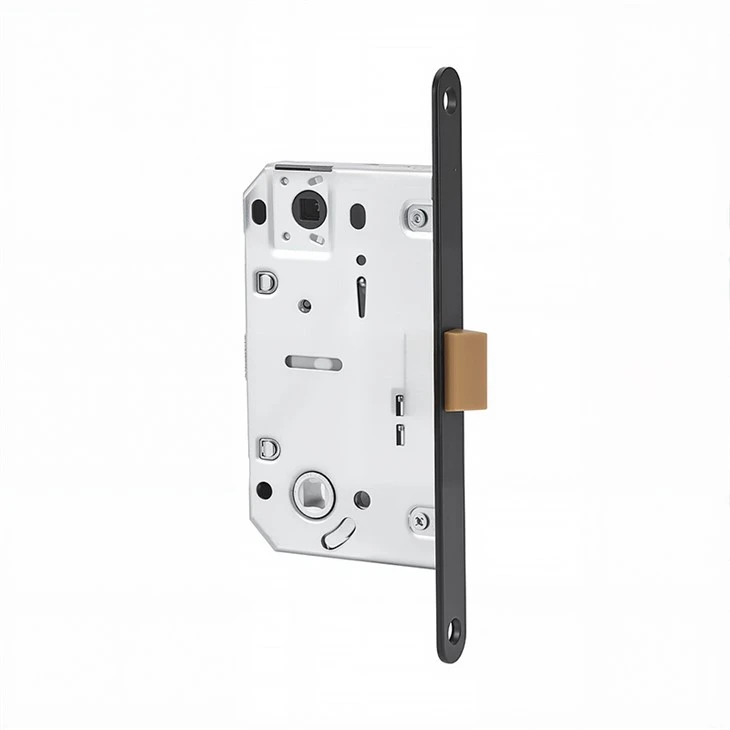
However, regular mortise locks do have their drawbacks. For one thing, they can be noisy. Every time you lock or unlock the door, you're likely to hear a loud click or clunk, which can be a nuisance, especially if you're trying to be quiet. They also require a key to operate, which means you need to carry it around with you all the time. If you lose your key, you're in trouble.
How Silent Magnetic Mortise Locks Work
Now, let's talk about Silent Magnetic Mortise Locks. These locks use magnetic technology to secure the door. Instead of a traditional bolt, they have a magnetic latch that's held in place by an electromagnet. When you want to unlock the door, you can use a key, a keypad, a card reader, or even a smartphone app, depending on the model.
The biggest selling point of Silent Magnetic Mortise Locks is, of course, the silence. As the name suggests, these locks operate quietly, which is great if you don't want to disturb anyone when you're coming or going. They're also more convenient than regular mortise locks because you have multiple ways to unlock the door. You don't have to worry about carrying a key around, and you can give access to other people easily by programming their cards or phones.
Another advantage of Silent Magnetic Mortise Locks is their flexibility. You can easily change the access settings, add or remove users, and monitor who's coming and going. This makes them a great choice for commercial properties, offices, and even residential buildings where security and convenience are important.
But Silent Magnetic Mortise Locks aren't perfect either. They rely on electricity to operate, which means they can fail if there's a power outage. You'll need to have a backup power source, such as a battery, to ensure that the lock still works in case of an emergency. They're also generally more expensive than regular mortise locks, which can be a deterrent for some people.
Security Comparison
When it comes to security, both types of locks have their strengths. Regular mortise locks are known for their physical strength. The solid bolt and sturdy construction make it difficult for someone to force the lock open. However, they're also vulnerable to picking and bumping, which are techniques that skilled thieves can use to open the lock without a key.
Silent Magnetic Mortise Locks, on the other hand, offer a different kind of security. The magnetic latch is designed to be tamper-resistant, and many models come with additional security features, such as alarms and monitoring. They also offer the ability to track access, which can be a valuable tool in preventing unauthorized entry. However, because they rely on electronics, they can be vulnerable to hacking if they're not properly secured.
Installation and Maintenance
Installing a regular mortise lock is a relatively straightforward process. It requires some basic woodworking skills, but most people can do it themselves with the right tools. The lock body needs to be carefully fitted into the mortise in the door, and the strike plate needs to be aligned correctly on the door frame.
Silent Magnetic Mortise Locks, on the other hand, are a bit more complicated to install. They require electrical wiring, which means you'll probably need to hire a professional electrician. The installation process also needs to be done carefully to ensure that the lock works properly and that the wiring is safe.
In terms of maintenance, regular mortise locks are generally low-maintenance. You just need to keep them clean and lubricated to ensure smooth operation. Silent Magnetic Mortise Locks, on the other hand, require more attention. You need to check the battery regularly (if it has one), and make sure that the electronics are working properly.
Cost Comparison
Cost is always a factor when you're making a decision about which lock to choose. Regular mortise locks are generally more affordable than Silent Magnetic Mortise Locks. You can find a basic regular mortise lock for a relatively low price, while Silent Magnetic Mortise Locks can be significantly more expensive, especially if they come with advanced features like card readers and smartphone integration.
However, it's important to consider the long-term costs as well. Silent Magnetic Mortise Locks may have a higher upfront cost, but they can save you money in the long run. For example, you won't have to replace lost keys, and you can easily manage access without having to rekey the locks.
Real-World Applications
Let's take a look at some real-world applications to see which type of lock is better suited for different situations.
Residential Use: For a home, both types of locks can be a good choice. If you live in a quiet neighborhood and don't mind carrying a key, a regular mortise lock may be sufficient. However, if you have a large family or frequently have guests over, a Silent Magnetic Mortise Lock can offer more convenience. You can give each family member or guest their own access code or card, and you can easily revoke access if someone moves out or loses their card.
Commercial Use: In a commercial setting, Silent Magnetic Mortise Locks are often the preferred choice. They offer better security, convenience, and flexibility. You can control who has access to different areas of the building, and you can monitor access to ensure that only authorized personnel are entering. For example, in an office building, you can give employees access to their own offices and common areas, but restrict access to sensitive areas like the server room.
Conclusion
So, which is better, a Silent Magnetic Mortise Lock or a regular mortise lock? Well, it really depends on your specific needs and preferences. If you're looking for a simple, reliable, and affordable lock, a regular mortise lock may be the way to go. However, if you value convenience, security, and flexibility, a Silent Magnetic Mortise Lock is definitely worth considering.
If you're interested in learning more about Silent Magnetic Mortise Locks, you can check out our Silent Magnetic Mortise Lock page. We also have a Magnetic Mortise Lock Case that you might find useful. And if you're looking for a different type of magnetic mortise lock, we have a Magnetic Latch Mortise Lock as well.
If you're ready to make a purchase or have any questions, feel free to reach out to us. We'd be happy to help you choose the right lock for your needs and guide you through the purchasing process.
References
- "Mortise Locks: A Comprehensive Guide." Locksmith Journal.
- "The Advantages of Magnetic Locks." Security Today Magazine.