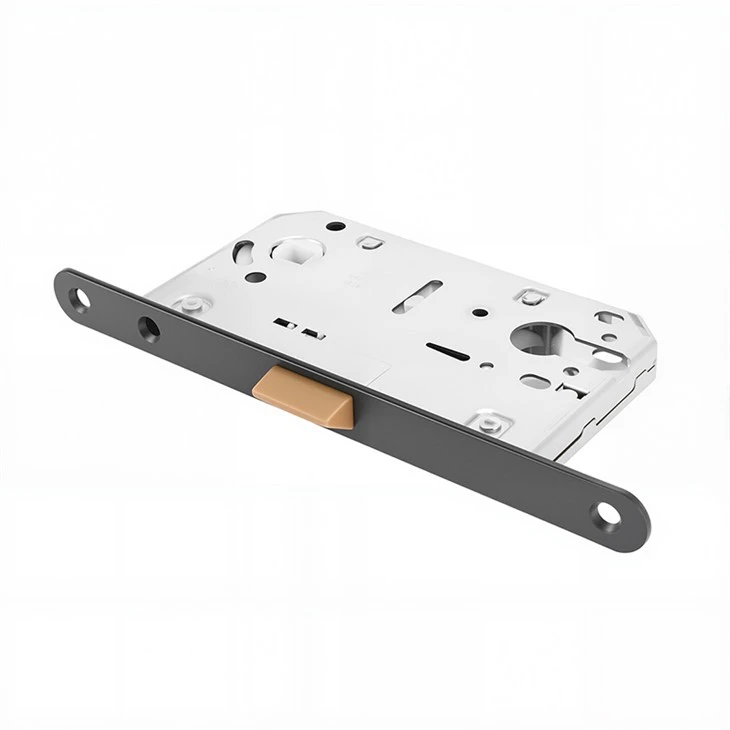
Hey there! As a supplier of Magnetic Latch Mortise Locks, I've heard a fair share of concerns from customers about their locks making noise. It can be quite annoying, right? You're just trying to go about your day, and that constant clicking or rattling from your lock is driving you up the wall. So, let's dig into why this might be happening.
1. Misalignment of the Lock Components
One of the most common reasons for a noisy magnetic latch mortise lock is misalignment. When the lock components aren't properly aligned, it can cause the magnetic latch to rub against other parts of the lock mechanism. This friction creates that annoying noise.
Think about it like this: if you try to fit two puzzle pieces together that aren't meant to match, they'll scrape and make a racket. The same goes for your lock. The magnetic latch needs to fit snugly into its designated spot within the lock body. If it's off by even a little bit, you're going to hear it.
This misalignment can happen over time due to normal wear and tear. Doors can shift as the building settles, or the lock might get bumped during regular use. To fix this, you might need to adjust the position of the strike plate on the door frame. You can use a screwdriver to loosen the screws holding the strike plate in place and then move it slightly until the magnetic latch fits smoothly.
2. Loose Screws
Another culprit behind a noisy lock is loose screws. When the screws that hold the lock together or attach it to the door are loose, the lock can vibrate and rattle. It's like a loose part in a car engine - it's going to make some noise.
You'd be surprised how often this simple issue goes unnoticed. Over time, the constant opening and closing of the door can cause the screws to gradually loosen. To check for loose screws, give the lock a gentle shake. If you hear any rattling, it's a good sign that some screws need tightening. Grab a screwdriver and go around the lock, tightening each screw until it's secure. Just be careful not to overtighten, as that can damage the lock.
3. Worn - Out Components
As with any mechanical device, the components of a magnetic latch mortise lock can wear out over time. The magnetic latch itself, the springs, and other moving parts can start to show signs of wear. When this happens, they might not function as smoothly as they should, leading to noise.
For example, if the spring that controls the movement of the magnetic latch is weak or damaged, it might not retract or extend properly. This can cause the latch to bang against the lock body or other parts of the mechanism. In this case, you might need to replace the worn - out components. You can find replacement parts for most magnetic latch mortise locks, and with a little bit of DIY know - how, you can swap them out yourself.
4. Magnetic Interference
Magnetic interference can also be a cause of noise in your lock. If there are other magnetic objects near the lock, they can disrupt the normal operation of the magnetic latch. This interference can cause the latch to move erratically, creating noise.
For instance, if you have a large magnet on your keychain and you bring it too close to the lock, it can affect the magnetic field of the latch. Or, if there are electrical devices with strong magnetic fields nearby, like a large speaker or a microwave, they can also cause problems. To fix this, try to keep magnetic objects away from the lock. If the interference is coming from an electrical device, you might need to move the device or shield the lock from the magnetic field.
5. Lack of Lubrication
Just like a car engine needs oil to run smoothly, your magnetic latch mortise lock needs lubrication. Over time, the moving parts of the lock can dry out, causing friction and noise. A lack of lubrication can make the magnetic latch stick or move roughly, resulting in that annoying clicking or squeaking sound.
You can use a silicone - based lubricant to lubricate the lock. Simply apply a small amount of the lubricant to the moving parts of the lock, such as the magnetic latch, the springs, and the pivot points. Then, work the lock a few times to distribute the lubricant evenly. This should help reduce the noise and make the lock operate more smoothly.
Solutions and Our Products
If you're tired of dealing with a noisy magnetic latch mortise lock, we've got some great solutions for you. Check out our Silent Magnetic Mortise Lock. This lock is designed to operate quietly, so you won't have to worry about that annoying noise anymore. It's built with high - quality components that are carefully engineered to minimize friction and vibration.
We also offer the Magnetic Mortise Lock Case. This case provides a sturdy and secure housing for your lock, which can help reduce noise caused by vibrations. It's made from durable materials that can withstand regular use and protect the lock from damage.
And for those who really want a noiseless experience, our Noiseless Magnetic Door Lock Body is the perfect choice. It's specifically designed to eliminate noise, so you can enjoy a peaceful environment.
Contact Us for Purchase
If you're interested in any of our products or have more questions about noisy magnetic latch mortise locks, don't hesitate to get in touch. We're here to help you find the best solution for your needs. Whether you're a homeowner looking to upgrade your door lock or a business owner in need of multiple locks, we've got you covered.
References
- Locksmithing Handbook: A Guide to Modern Lock Systems
- Home Maintenance and Repair Manual
So, that's all about why your magnetic latch mortise lock might be making noise and what you can do about it. I hope this blog has been helpful to you. If you have any other questions or experiences to share, feel free to leave a comment below.